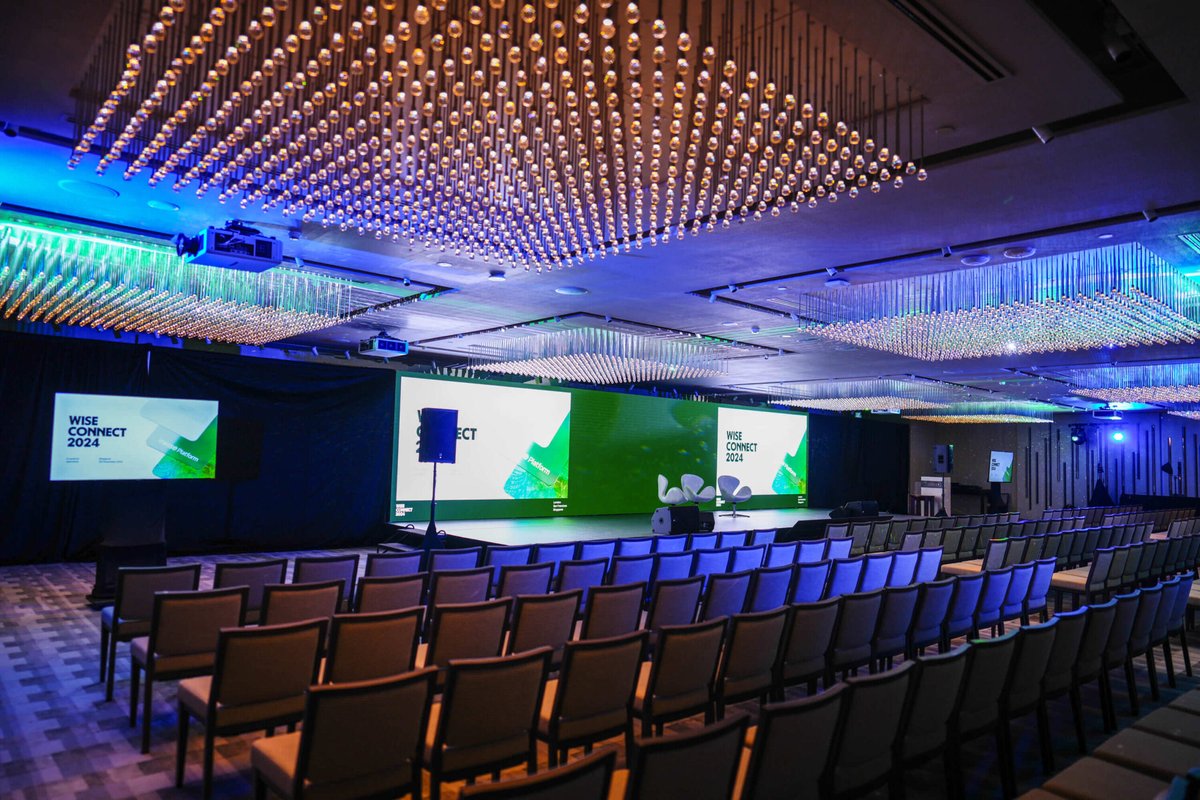
In today's competitive landscape, simply hosting a gathering isn't enough. Thoughtful, strategic Group & Corporate Event Management transforms mere logistics into powerful experiences that amplify brands, engage key audiences, and deliver measurable return on investment. Whether you're planning a flagship conference, a critical sales kickoff, an intimate board meeting, or a grand milestone celebration, the right approach elevates your event from an item on a checklist to a pivotal driver of your business goals.
Done well, corporate events become immersive touchpoints, telling your brand's story, fostering community, and facilitating crucial connections. They're an investment in your company culture, your client relationships, and your market position.
At a Glance: What You’ll Learn
- Why Strategic Event Management Matters: Beyond logistics, how events drive business outcomes.
- The Full Event Lifecycle: A detailed, practical timeline from conception to post-event analysis.
- Mastering the Details: Key considerations like venue selection, permits, F&B, and technology.
- Creating Unforgettable Experiences: Design for engagement, inclusivity, and sustainability.
- Measuring Success: Tools and strategies to prove your event's ROI.
- Navigating Challenges: Proactive solutions for common event pitfalls.
Beyond the Checklist: Why Strategic Event Management is Essential
Think of corporate event management not just as planning a party, but as orchestrating a finely tuned marketing, sales, and internal communications strategy rolled into one. It’s about more than securing a venue and hiring a caterer; it’s about aligning every single element with your overarching business objectives.
High-impact events are crafted through a 360-degree strategy, integrating content, experiential design, meticulous logistics, and full-scale production. This comprehensive approach ensures that your message resonates, your audience is truly engaged, and you achieve tangible outcomes���be it lead generation, employee retention, product adoption, or brand loyalty. A well-managed event becomes a powerful extension of your brand, an opportunity to build trust, and a platform for meaningful interactions.
The Diverse World of Corporate Events
The term "corporate event" covers a vast spectrum, each with unique objectives and management needs. Understanding the common types helps tailor your approach from the outset.
- Flagship Conferences & Summits: Large-scale gatherings for industry leaders, customers, or internal teams. These demand sophisticated content strategy, multiple tracks, and robust technological support for both in-person and hybrid formats.
- High-Impact Meetings: From intimate board meetings and executive retreats to all-hands company summits. Focus is often on critical decision-making, team alignment, or strategic planning.
- Sales Kickoffs & Product Trainings: Energizing events designed to motivate sales teams, educate partners on new products, and drive performance. Experiential elements and hands-on activations are often key.
- Corporate Milestone Events: Celebrating anniversaries, significant achievements, or VIP recognition. These are often high-touch events focused on brand legacy and appreciation.
- Customer Experiences & Brand Activations: Designed to immerse customers in your brand story, showcase innovations, and foster loyalty. Think product launches, interactive demos, or exclusive VIP receptions.
- Employee Appreciation & Team-Building Events: Crucial for company culture, boosting morale, and fostering camaraderie. These can range from casual outdoor celebrations to structured workshops.
Each of these event types requires a distinct strategic lens, ensuring every detail, from the agenda to the catering, serves its specific purpose.
The Event Management Lifecycle: A Practical Timeline
Effective event management is an iterative process, typically beginning months in advance. While timelines vary by event size and complexity, a structured approach is critical. Let's break down a typical 12-week (or longer) timeline, offering practical steps and considerations for each phase.
Phase 1: Weeks 12-10+ — Defining Your North Star
This is where the strategic foundation is laid. Don't skip these critical steps; they inform every decision that follows.
- Define Objectives & Key Results (OKRs): What do you really want to achieve? Is it X number of leads, Y% increase in employee satisfaction, Z dollars in sales, or a specific brand sentiment? Measurable goals are paramount.
- Identify Your Audience: Who are you trying to reach? Understanding their demographics, preferences, and needs will shape content, venue choice, and experiential design.
- Determine Format & Scope: Is it in-person, virtual, or hybrid? How many attendees? What's the general flow?
- Draft Your Budget: Be realistic. Include line items for venue, catering, AV, speakers, marketing, staff, permits, insurance, and crucially, a 10-15% contingency for unforeseen issues. Bay Area labor rates for AV, staging, and security, for example, can be significantly higher than other regions, impacting costs.
- Outline Program & Content Strategy: What stories will you tell? Who are your ideal speakers or presenters? This is also where you start thinking about engaging formats like workshops or interactive sessions.
- Initial Venue Research & Holds: Based on your audience, format, and budget, identify potential venues. Get soft holds quickly, as desirable locations book up fast. Consider factors like accessibility, capacity, and in-house capabilities. For example, a downtown event center near public transit is appealing for regional summits.
Phase 2: Weeks 10-8 — Locking in Core Elements
With your foundation set, it’s time to secure the big pieces that define your event.
- Confirm Keynote Speakers & Presenters: High-profile speakers often have long lead times. Secure them early to use in marketing.
- Finalize AV & Production Scope: Detail all technical needs: screens, sound systems, lighting, microphones, staging, streaming equipment for hybrid events, and internet bandwidth. This impacts venue choice and budget significantly.
- Select Catering & Menu Concepts: Consider your audience's dietary needs (vegetarian, vegan, gluten-free, nut-free, cultural preferences). Clearly labeled buffets or action stations are flexible for varied timelines, while plated meals suit more formal executive programs.
- Launch "Save the Date": Start building excitement and allowing attendees to block their calendars.
- Begin Permit Applications: For public or large outdoor gatherings, amplified sound, street/park usage, or temporary structures, permits are essential. This includes fire permits for tents over a certain size (e.g., 400 sq. ft.) and flame-retardant documentation, and alcohol licenses from the relevant authorities. Don't underestimate the time these can take.
Phase 3: Weeks 8-6 — Design & Experience Deep Dive
Now the creative and logistical gears truly start turning.
- Open Registration & Hotel Blocks: Make it easy for attendees to sign up. Use a clear value proposition and consider geo-targeted ads for local reach. Keep registration forms short and sweet.
- Finalize Floor Plans & Site Design: This is crucial for flow, accessibility (ADA paths), and safety. For outdoor events, consider wind-aware décor placement (weighted bases, sandbags), shade, and quiet zones.
- Book Rentals, Décor & Entertainment: From tables and chairs to immersive experiences, secure everything that contributes to the atmosphere.
- Secure Certificates of Insurance (COIs): Most venues will require a COI with them listed as an additional insured. Ensure your vendors also provide proof of insurance.
Phase 4: Weeks 6-4 — Production & Communication
The closer you get, the more detailed the plans become.
- Approve Menus & AV Designs: Double-check everything, down to the last projector lumen and dietary label.
- Produce Run-of-Show & Staffing Plan: This is your minute-by-minute blueprint for event day. Assign roles and responsibilities to your team (aim for 1 staff per 35-50 attendees for larger events).
- Order Signage & Badges: Ensure clear wayfinding, branding, and efficient onsite check-in with pre-printed badges or QR self-check kiosks.
- Confirm Transportation & Parking Operations: If your venue has limited parking, arrange satellite lots and shuttles. Account for bridge tolls and local traffic patterns.
Phase 5: Weeks 4-2 — Rehearsals & Contingency Finalization
It’s all about readiness and anticipating potential issues.
- Conduct Tech Rehearsals: For hybrid events, this is non-negotiable. Test Wi-Fi stress points, streaming quality, audio isolation, and ensure a bonded internet line or 5G failover, plus local recording backups. Budget for confidence monitors.
- Confirm Final Transport & Parking Ops: Double-check all timings and logistics with vendors.
- Finalize Emergency Plan: Develop a concise one-page plan covering medical emergencies, evacuation procedures, weather contingencies (e.g., pre-approved rain sites), and communication protocols.
- Integrate Sustainability Practices: Promote transit options, use recyclable/compostable materials, track carbon footprint, and minimize waste.
Phase 6: Week 1 — The Final Countdown
The intensity ramps up, but diligent planning pays off.
- Final Attendee Counts: Confirm numbers for catering, seating, and badges.
- Seating Charts & Name Badges: Organize for efficient distribution.
- Signage Installation Schedule: Coordinate with venue staff for timely setup.
- Emergency Plan Briefing: Ensure all staff and key vendors are fully aware of protocols.
Event Week/Day — Execution Excellence
This is showtime. Focus on seamless execution and quick problem-solving.
- Onsite Checks & Walk-Throughs: Pre-event, double-check every element.
- Cue-to-Cue & Vendor Line Checks: Ensure all technical and logistical cues are perfectly coordinated.
- Backup Kits: Have spares for everything—batteries, chargers, stationery, first aid, even small tools.
- Clear Communication Channels: Establish reliable methods for your team (radios, chat apps).
- Coordinate with Venue Security: Ensure a safe environment, understand AED locations, and have an OSHA-compliant first-aid kit readily available.
Post-Event: Week +1 — Learn & Grow
The event isn't truly over until you've debriefed and measured its impact.
- Attendee Survey Distribution: Send out within 24-48 hours to capture fresh feedback on sessions, overall experience, and Net Promoter Score (NPS).
- Internal Debrief: Gather your team and key stakeholders to discuss what worked, what didn't, and what can be improved for next time.
- Content Distribution: Share recordings, presentations, and key takeaways with attendees and those who couldn't make it.
- ROI Review: Measure actual results against your initial objectives (leads generated, engagement metrics, satisfaction scores). This data is invaluable for proving value and informing future event strategy. You might find this review process ties into Your guide to Betty Date Everything if your events are part of a broader marketing or strategic initiative.
Mastering the Details: Key Considerations for Flawless Events
Successful event management often hinges on meticulous attention to seemingly small details. Here's a deeper dive into critical areas:
Budgeting & Cost Control
Always build that 10-15% contingency into your budget. Unforeseen costs are common, from last-minute AV needs and higher Bay Area labor rates (especially for technical roles) to prevailing wage requirements for municipal sites, hotel in-house AV "patch fees," or unexpected outdoor generator and lighting needs. Transparent communication with vendors and clear contracts are your best defense against budget creep.
Venue Selection: More Than Just a Space
Choosing the right venue is paramount. Consider:
- Capacity & Layout: Does it fit your attendee count and desired flow?
- Accessibility: Is it easy to reach by public transport (e.g., BART-accessible downtown locations) or major highways? Is parking sufficient, or will shuttles be needed?
- In-house Services vs. External Vendors: Some venues require their own catering or AV. Factor this into your budget and flexibility.
- Ambiance & Branding: Does the venue's aesthetic align with your brand and event theme?
- Outdoor Space Considerations: If planning an outdoor summer celebration, factor in potential weather shifts (afternoon winds, heat spikes, or wildfire smoke advisories). You'll need windbreaks, shade, tenting, and misting fans.
- Unique Options: Think outside the typical hotel ballroom. Museums, historic farms, or college performing arts centers can offer unique, experiential backdrops.
Permits & Compliance: Don't Get Caught Off Guard
Navigating local regulations is non-negotiable. This often includes:
- Special Event Permits: For large public gatherings, street closures, amplified sound, or park usage.
- Fire Department Coordination: Tents, stages, and power distribution often require fire department approval and specific documentation (e.g., flame retardant certificates).
- Alcohol Licensing: Serving alcohol almost always requires a special daily license and licensed bartenders.
- Health & Safety: Food service at public events can trigger health department requirements.
- Certificates of Insurance (COIs): Standard practice for venues, listing them as "additional insureds."
Always start permit applications early, as approval processes can be lengthy.
Food & Beverage (F&B): Fueling the Experience
F&B is a critical component of attendee satisfaction.
- Dietary Diversity: Plan for a wide range of dietary needs (vegetarian, vegan, gluten-free, nut-free, kosher, halal). Clearly label all dishes.
- Service Style: Buffets and action stations offer flexibility for attendees with varying schedules, while plated meals suit formal events.
- Bay Area Flavors: Incorporate local culinary tastings or Bay Area food culture where appropriate to add a unique touch.
- Hydration: Always provide ample water stations, especially for longer events or outdoor gatherings.
Technology & AV: The Backbone of Modern Events
Reliable tech is non-negotiable, particularly for hybrid events.
- Bandwidth Assessment: Confirm the venue's internet bandwidth and test it at load. For hybrid, a bonded internet line or 5G failover is crucial, alongside local recording.
- Full Tech Rehearsals: Conduct comprehensive rehearsals for all hybrid sessions and presentations.
- Audio Isolation: Ensure clear audio for all participants, both in-person and virtual.
- Confidence Monitors: Essential for speakers to stay on track.
- Power Reliability: Consider a small UPS (Uninterruptible Power Supply) or 5G router for network stability, especially in older venues or outdoor settings.
- Onsite Tech Support: Budget for experienced AV technicians who can troubleshoot in real-time.
Staffing & Safety: Your Event's Unsung Heroes
- Adequate Staffing: Plan for sufficient staff to manage registration, guide attendees, assist speakers, and handle any issues. A ratio of 1 staff per 35-50 attendees is a good starting point for larger events.
- First Aid & Security: Coordinate with venue security, know the location of AEDs, and have an OSHA-compliant first-aid kit readily available. For larger events, dedicated medical staff might be necessary.
- Emergency Protocols: Ensure all staff are briefed on evacuation routes, emergency contact information, and communication procedures.
Crafting Unforgettable Experiences: Beyond the Basics
To move beyond simply functional to truly memorable, integrate experiential design, inclusivity, and sustainability into your planning.
Experiential Design & Engagement
- Hands-on Activations: For tech-savvy audiences, consider VR demos, interactive product showcases, or engaging workshops.
- Local Flavor: Weave in elements that reflect the local culture or environment. For example, local team-building options could include scavenger hunts, farm demos, or outdoor activities.
- Quiet Zones: Provide designated spaces for attendees to recharge, take calls, or simply relax away from the main event buzz.
Inclusivity & Accessibility
Designing events for everyone fosters a welcoming and respectful environment.
- Diverse Menus & Entertainment: Ensure food and entertainment options cater to a wide range of tastes and cultural backgrounds.
- Multilingual Support: Provide signage, interpreters (e.g., Mandarin, Hindi, Spanish in diverse regions), or translation services where appropriate.
- Quiet/Prayer/Meditation Rooms: Offer private spaces for reflection or religious practice.
- ADA Compliance: Ensure all pathways, restrooms, and stages are accessible for attendees with disabilities.
- Diverse Speaker Lineup: Actively seek out speakers who represent a variety of backgrounds and perspectives.
Sustainability Initiatives
Events can have a significant environmental footprint. Proactive sustainability efforts demonstrate corporate responsibility.
- Waste Reduction: Prioritize digital materials over print, use reusable signage, and ensure clear recycling and composting stations are available.
- Local Sourcing: Source F&B from local vendors to reduce transportation emissions.
- Energy Efficiency: Utilize energy-efficient AV equipment and lighting.
- Carbon Tracking & Offsetting: Measure your event's carbon footprint and consider offsetting options.
- Promote Public Transit/Carpooling: Encourage attendees to use eco-friendly transportation methods.
Marketing & Registration: Getting the Word Out and Welcoming Guests
A fantastic event won't succeed if no one knows about it or if registration is a headache.
- Value Proposition: Clearly articulate why attendees should come. What unique value will they gain? Anchor outreach with this.
- Strategic Partnerships: Partner with local organizations or industry groups to expand your reach.
- Geo-targeted Ads: Use online advertising to reach relevant local audiences.
- Registration Launch: Open registration 6-8 weeks out for most events. Keep the process streamlined with short forms.
- Onsite Efficiency: Implement separate lines for pre-printed badges and on-demand badge printing. Use QR code self-check-in kiosks to minimize queues and improve the attendee experience.
Measurement & ROI: Proving Your Event's Worth
The true mark of strategic event management lies in its measurable impact.
- Post-Event Surveys: Deploy surveys within 24-48 hours to capture immediate feedback. Ask about session ratings, overall satisfaction, and NPS.
- Lead Quality & Quantity: For sales or marketing events, track the number and quality of leads generated.
- Engagement Metrics: For virtual/hybrid events, monitor attendance rates, session views, chat participation, and poll responses.
- Social Media Reach & Sentiment: Track hashtags, mentions, and the overall sentiment around your event.
- Financial Performance: Review actual costs against budget, and calculate revenue generated (if applicable).
- Align with Objectives: Always circle back to your initial OKRs. Did you meet them? Why or why not? The debrief is your chance to turn insights into actionable improvements for future events.
Moving Forward: Your Next Steps in Event Excellence
Group & Corporate Event Management is a dynamic field that rewards meticulous planning, creative vision, and agile problem-solving. By embracing a strategic approach, focusing on the attendee experience, and diligently measuring your outcomes, you can transform your events from routine gatherings into powerful engines for growth and memorable moments that resonate long after the lights dim.
Start by clearly defining your objectives, assembling a skilled team (whether in-house or an expert agency), and leveraging the comprehensive timeline and best practices outlined here. Every successful event builds on the lessons of the last, pushing your organization toward even greater achievements.